

Rare earths
Rare Earth Elements (REEs) are a group of 17 metals known for their unique magnetic, optical, and conductive properties. These elements are essential to modern technologies, from electric vehicles and humanoid robots to smartphones, drones, and other advanced technologies.

Heavy and light rare earths
Rare earth elements are divided into two categories:
Light Rare Earth Elements (“LREEs”): Despite the name, “light” refers to their atomic structure—not their weight. LREEs are more abundant in nature and typically found in hard rock deposits. Their relative availability contributes to lower market prices compared to heavy rare earths. This group includes lanthanum (La), cerium (Ce), praseodymium (Pr), neodymium (Nd), promethium (Pm), and samarium (Sm), Nd and Pr being especially important for the production of permanent magnets.
Heavy Rare Earth Elements (“HREEs”): ️ HREEs are essential for high-performance magnets used in electric vehicles, clean energy and advanced technologies. HREEs include gadolinium (Gd), holmium (Ho), erbium (Er), thulium (Tm), ytterbium (Yb), lutetium (Lu), and yttrium (Y). Among these, terbium (Tb) and dysprosium (Dy) are especially valuable for their use in permanent magnets.
Most of the world’s supply of heavy rare earths has historically come from ionic clay deposits, which are geologically rare. This scarcity, combined with the strategic importance of HREEs, makes them significantly more valuable than their light counterparts.

Why are permanent magnets so powerful?
Supply risk and market dynamics
Heavy rare earth elements face greater supply risks due to their scarcity and limited production, with China currently leading the global supply. This scarcity drives higher prices and increases the importance of developing new, sustainable sources. Furthermore, the U.S. Government’s 2025 Executive Orders, including “Immediate Measures to Increase American Mineral Production” (March 20, 2025), underscored the strategic importance of rare earths and critical minerals to national security, advanced manufacturing, and clean technologies. The White House stated that “critical minerals, including rare earth elements” are essential to secure domestic supply chains and support the production of advanced technologies, electric vehicles, and permanent magnets, reinforcing the urgent need for independent Western supply chains.
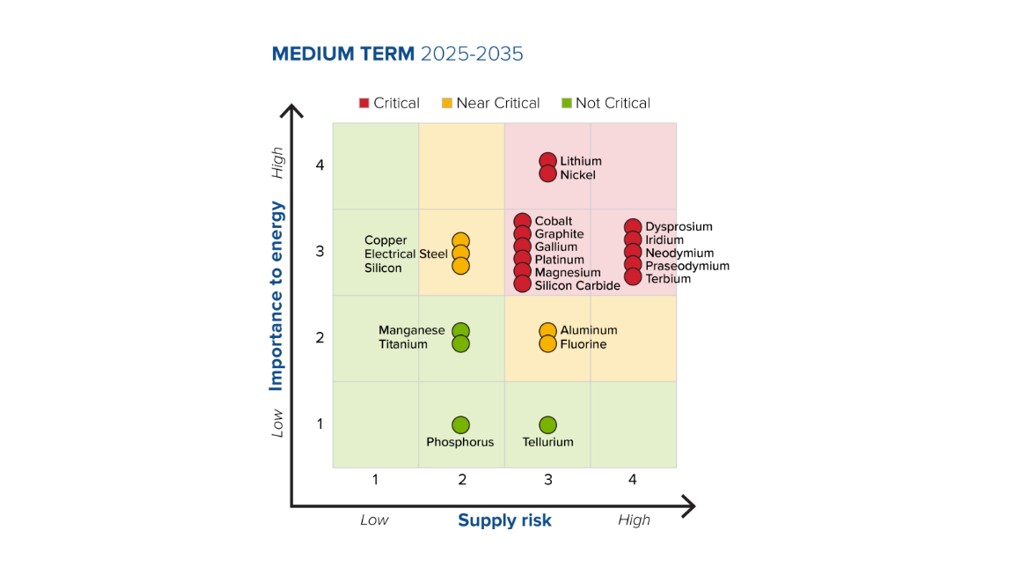
*Source: U.S. Department of Energy Report 2025

Aclara is building a vertically integrated heavy rare earth supply chain, with ionic clay deposits in Brazil and Chile and a dedicated separation facility in the U.S.

.svg)


